Monochrome Photos: Easy Tips for Bold, Moody Portraits
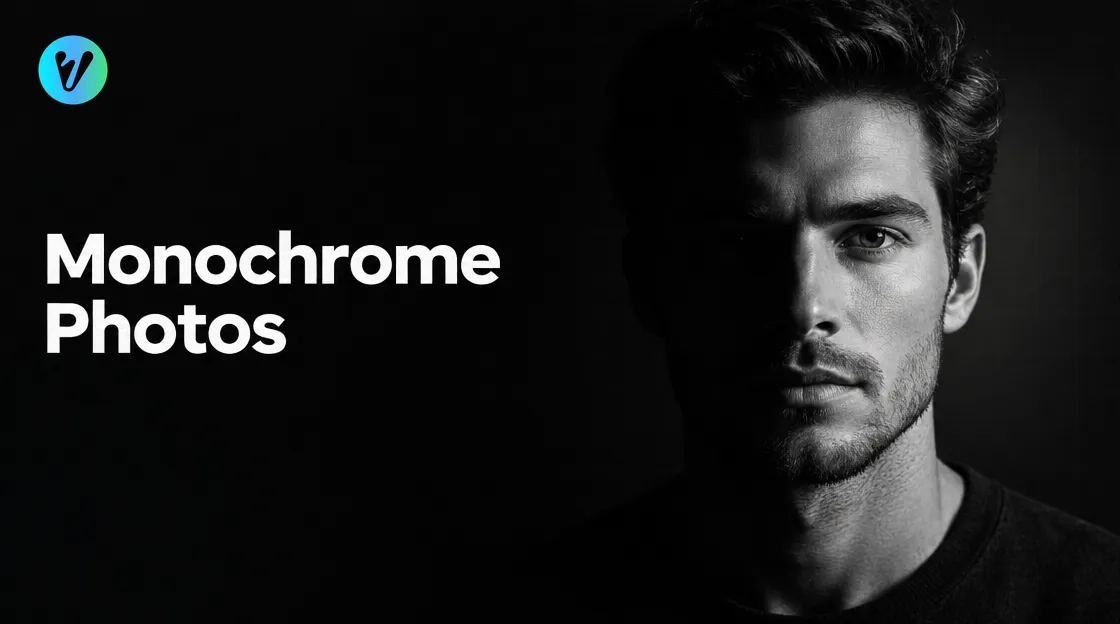
Monochrome photos look bold because they strip a scene down to light and shadow. You do not need special gear to take them. This guide gives you simple tips, ideas to try at home and a quick way to add a dramatic finish.
When your photo is ready, the High-Contrast Black and White Portrait style in Voymage can give it a moody look. The page describes a half-face portrait with dramatic shadows. The steps are below.
Why Contrast Makes Monochrome Photos Work
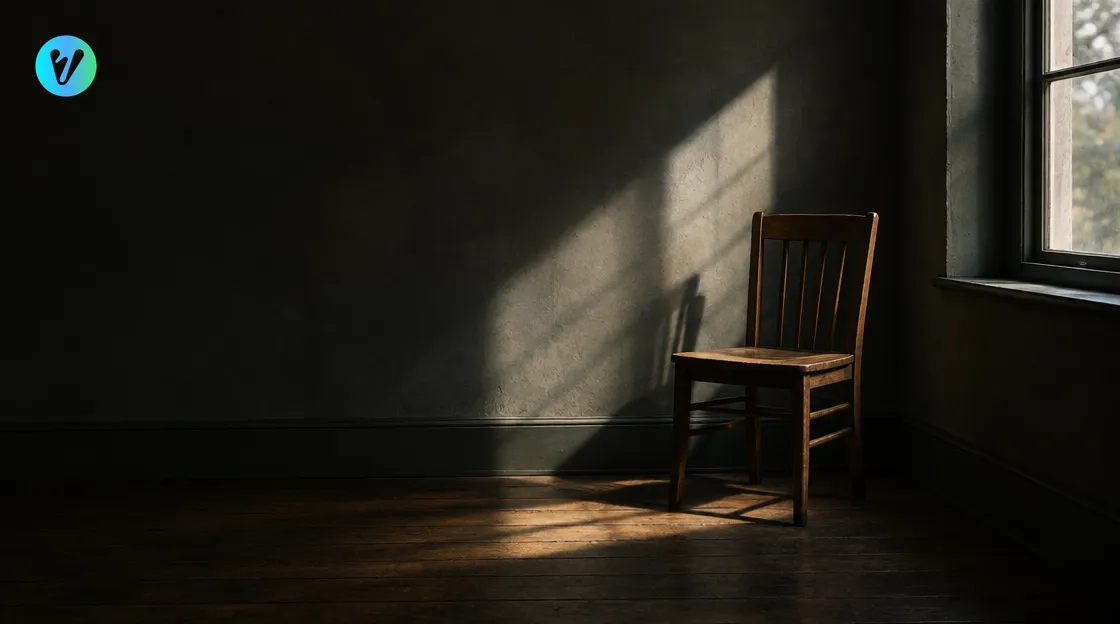
A university photography course explains that the distinction between highlights and shadows is known as contrast. It adds that you may choose to convert an image to monochrome if black and white has more impact.
Without colour, your eye follows shape, texture and the edge between light and dark. A strong picture needs a clear bright area and a clear dark area. When both are present, the photo feels bold even if the scene is simple.
Think of colour as a distraction you can remove. Ask yourself what the picture would show if all you had was brightness. If the answer is "not much", change the light before you shoot.
Light That Suits Black and White
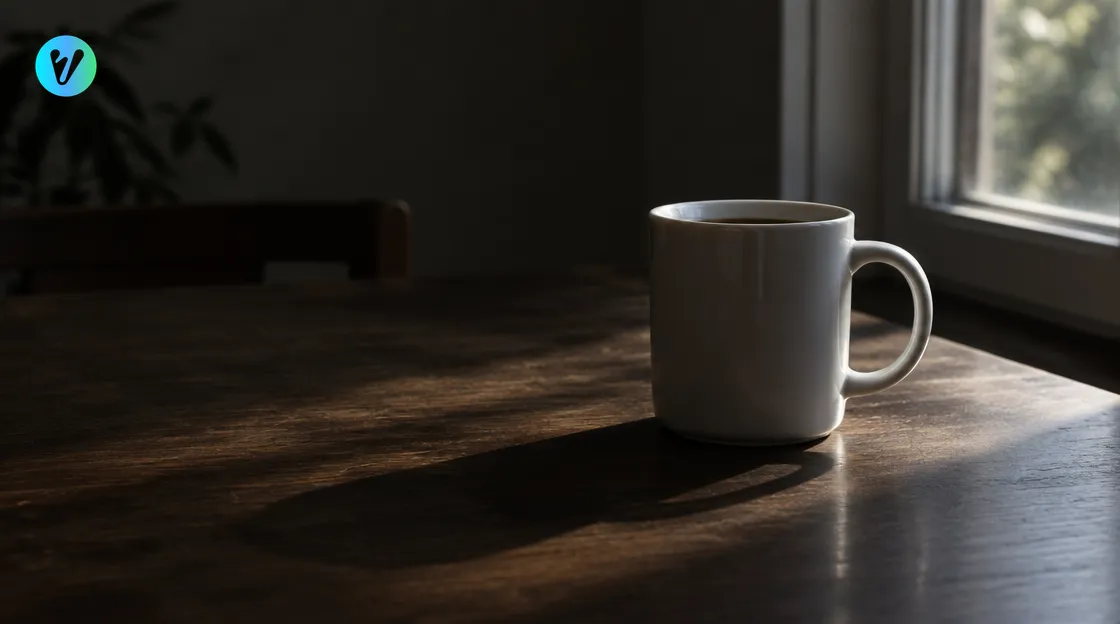
The same course describes hard light as focused, often bright light. It says hard light casts harsh shadows and draws attention to a specific part of a photo. It describes soft lighting as light with few hard shadows. Both can work, but they give different moods.
- Hard light gives deep shadows and crisp edges. Try a single lamp, or a bright window with the room lights off.
- Soft light gives gentle tones and a calmer mood. Try a window on a cloudy day.
For a dramatic portrait, choose one light and one direction. Side light across the face is a classic way to make a simple pose feel serious. Turn the lamp or the window until half the face sits in shade. Turn off other lamps while you shoot, so one clear light makes the shapes easier to read.
Ideas to Try at Home
You can shoot these with a phone and one lamp. Pick two or three and keep the rest of the scene simple.
- Half in shadow. Stand beside a window and turn until one side of your face is lit and the other is dark.
- A window silhouette. Stand in front of a bright window and let your outline show against it.
- Stripes of light. Let light pass through blinds so bars of light and shadow fall across a wall or a shirt.
- Textured clothing. Wear a knit or a linen shirt. Side light makes the texture stand out.
- Hands and a mug. Photograph your hands around a plain mug beside a window.
- A profile view. Turn your head to the side and let the light trace your jaw.
- A dark backdrop. Hang a plain dark cloth behind you so the light picks out your face.
- A doorway frame. Stand in a doorway and let the frame make a dark border around you.
Take several frames of each idea. Look for the one where the bright and dark areas are easy to tell apart.
Shape, Texture and Expression
Monochrome photos reward simple shapes. Look for lines, curves and edges. A plain wall, a doorway or a window frame can all give you a clean shape to work with.
Texture matters more without colour. Skin, hair, fabric and wood all catch light in different ways. Move your light a little, and watch how the texture changes.
Keep your expression calm. A quiet look suits a moody picture, and a relaxed face reads clearly in strong shadow.
Try a few different distances. A close crop shows skin and texture, and a wider frame shows the shape of the room and the light. Take both, then compare them on a larger screen.
Wait a moment between frames. Small shifts in your head or the lamp can change where the shadow falls. One tiny move can turn a flat photo into a bold one.
How the High-Contrast Black and White Portrait Style Works
The style page describes a moody half-face portrait with dramatic shadows and expressive detail for a powerful editorial look. It says soft light reveals one side of the face. The other side emerges from deep shadows, creating a moody cinematic effect. The page description promises intense shadows, crisp highlights and bold monochrome impact.
Using it takes three steps. Each one is quick.
- Upload your photo. Drag and drop an image, or choose one from your device. You can also pick a style first to preview how your photo will transform.
- Choose the aspect ratio. Pick the shape you want.
- Generate and download. Your finished image is ready in seconds.
Open your finished image at full size. Check that the shadows feel dramatic but still show shape.
Pick a Starting Photo
- Choose a sharp photo with one clear light direction.
- Pick a plain or dark background, so the face stands out.
- Make sure the face is clear and not hidden by a hat or glasses.
- Skip photos with a strong flash or heavy filters.
If you have two or three similar photos, try each one and see which you prefer. Keep the sharpest one as your starting photo. Wipe your phone lens, and use a tripod or a stack of books so the photo stays sharp.
Common Mistakes to Avoid
- Flat light. When the light is even and dull, bright and dark areas blend together.
- Too many lights. Mixed light sources give mixed shadows and a messy look.
- A busy background. Clutter pulls the eye away from the face.
- A stiff pose. Relax your shoulders and breathe out before you shoot.
- Skipping a test shot. Check the light on one quick frame first.
Want a different mood? Browse the everyday styles page for more portrait looks.
Conclusion
Great monochrome photos start with clear light and shade. Choose one light, turn until half the face is in shadow, and keep the background calm. Then open the High-Contrast Black and White Portrait style, upload your sharpest photo and choose an aspect ratio.
Voymage is also available as an app. Get Voymage on Google Play.
Frequently asked questions
What makes monochrome photos look good?
Clear contrast. A university photography course defines contrast as the distinction between highlights and shadows, so give your photo a bright area and a dark area.
What light is good for black and white portraits?
Hard light gives deep shadows and crisp edges, and soft light gives gentle tones. For a dramatic portrait, choose one light and turn until half the face is in shade.
Can I take monochrome photos at home?
Yes. A phone, one lamp or a window, and a plain wall are enough.
How does the High-Contrast Black and White Portrait style work?
Upload your photo, choose the aspect ratio, then generate and download. The page describes dramatic shadows, a half-face portrait and a moody cinematic effect.
Which photo should I upload?
Choose a sharp photo with one clear light direction and a plain or dark background. Avoid strong flash and heavy filters.
Should I try more than one photo?
It helps to compare. Try two or three similar photos and keep the one with the clearest light and shade.