Low Key Portrait: Dark Tones and Directional Light Tips
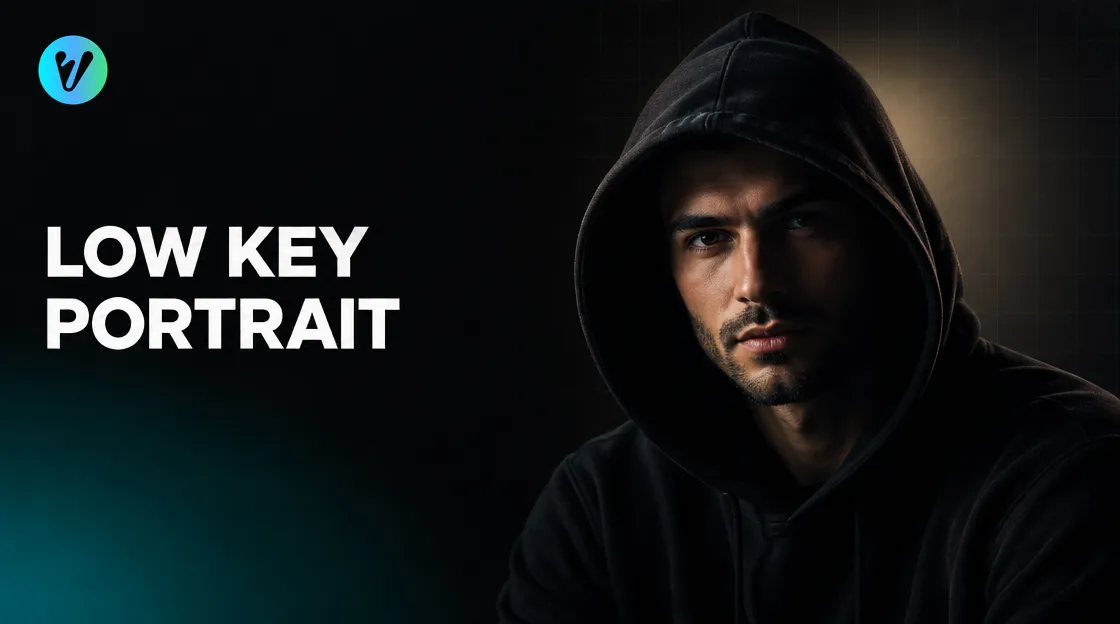
A low key portrait is a photo with a predominance of dark tones. Try one in a corner at home. This guide explains the term, shows how to shape one light and covers a Voymage style with deep shadows.
When your photo is ready, the Noir Hooded Portrait style in Voymage can take it further. The steps are below. First, the basics of light.
What Makes a Low Key Portrait
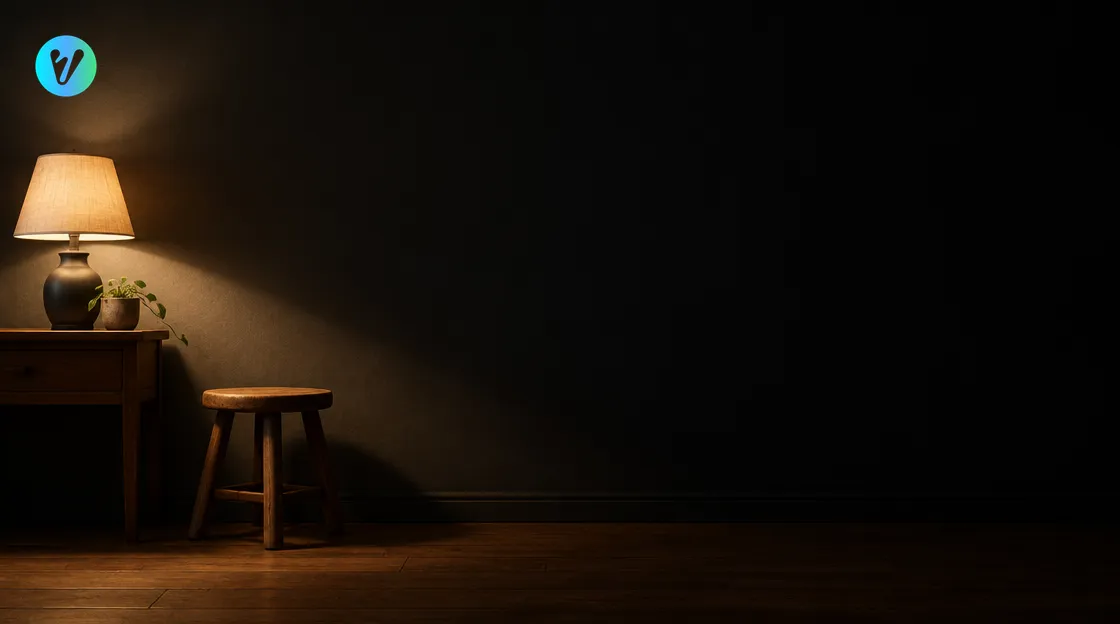
A university lighting terms page says a predominance of dark tones is known as a low-key photo. It also says overall brightness refers to the entire scene or print, while local brightness refers to a specific part of it.
Try a quick check on your own photos. Squint at the frame and ask whether most of it is dark. If it is, you are close to a low key portrait.
Try keeping one area clear in the light, such as a cheek or a hand. Let the rest of the frame fall into shade.
Light That Shapes a Dark Portrait
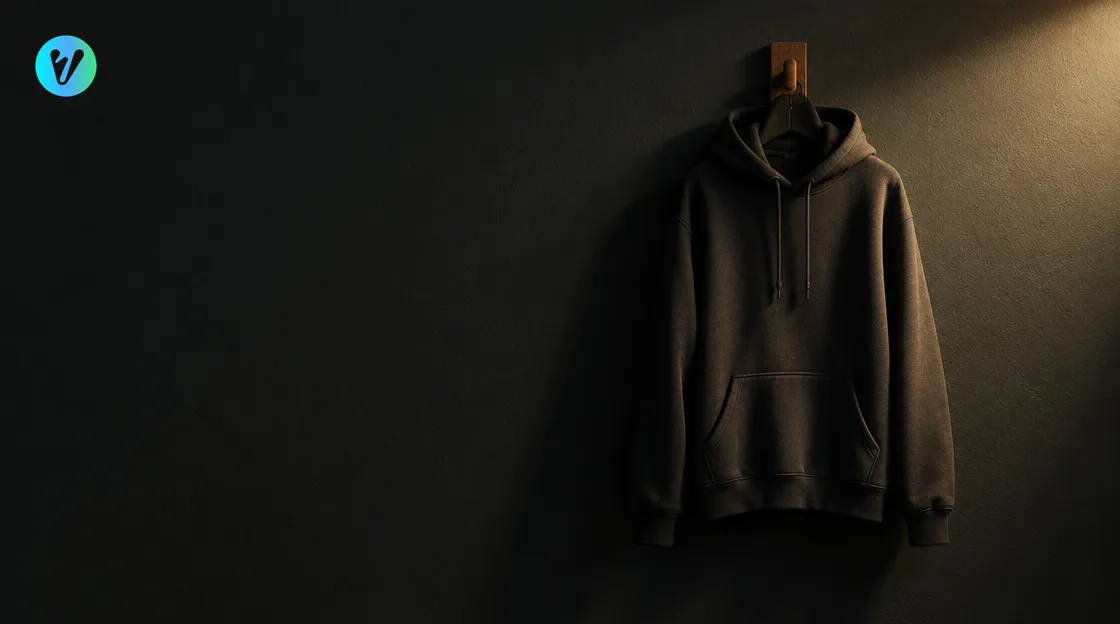
The same page defines the main light, also called the key light, as directional light used to define the shape, texture and form of the subject. It says direction controls where shadows are formed and acts to emphasize texture, form and space.
The page describes fill light as non-directional light that provides a base level of illumination. It says the fill controls the intensity of the shadow. It adds that ambient light lowers the contrast as it fills in the shadows.
Use this as a simple plan for a dark portrait at home. Work through the steps in order.
- Choose one main light, such as a lamp or a window.
- Place it to the side, so the light crosses the face.
- Switch off the other lamps, so less light fills the shadows.
- Hang a plain dark cloth behind you.
- Take a test shot and look at where the shadows fall.
The style page makes a matching point. It describes sharp, directional lighting that highlights facial contours while deep shadows conceal the rest.
Set Up Your Space
Try a small corner of a room. Clear the space behind you, and move anything bright out of the frame.
- Pick the spot. Choose a corner with a plain wall or a dark cloth.
- Place the light. Put one lamp to the side of your face, a little above eye level.
- Steady the phone. Rest it on a stack of books or a small tripod.
- Turn off the rest. Switch off ceiling lights and other lamps.
- Take a test frame. Check the shadows, then move the lamp a little and shoot again.
Take your time with the test frames. Look at every frame before you choose, and keep the clearest one.
Ideas to Try at Home
Try these with a phone and one lamp. Pick two or three and keep the rest of the scene simple.
- A side-lit face. Place a lamp to one side and turn your face a little toward it.
- A dark wall. Stand in front of a plain dark wall, or hang a dark cloth.
- Dark clothing. Wear a dark shirt or a dark hooded top.
- A single hand. Photograph one hand in the light and leave the rest in shade.
- A window at dusk. Stand beside a window in the evening and switch the room lights off.
- A profile view. Turn your head to the side and let the light trace your jaw.
Take several frames of each idea. Move the lamp a little between frames, and keep the one where the shadows look clearest.
Try a close crop and a wider frame. Compare them on a larger screen, and keep the one you prefer.
Pose and Expression for a Dark Portrait
Keep your expression calm and your shoulders relaxed. Try a small turn of the head toward the light, then hold still for the shot.
Try a few different angles for the chin. Take one frame with your head level and one tilted slightly, then compare them.
Look at the lit side of your face in each frame. Choose the frame where your eyes are easy to see.
How the Noir Hooded Portrait Style Works
The style page describes a dark, cinematic look with dramatic shadows and mysterious hooded styling. Using it takes three steps.
- Upload your photo. Drag and drop an image, or choose one from your device. You can also pick a style first to preview how your photo will transform.
- Choose the aspect ratio. Pick the aspect ratio you want before you generate.
- Generate and download. Your finished image is ready in seconds.
Open your finished image at full size. Look at where the shadows fall and whether the face is easy to see.
Pick a Starting Photo
- Choose a sharp photo with one clear light direction.
- Pick a plain or dark background.
- Make sure the face is clear and lit on at least one side.
- Skip photos lit evenly from the front or by a strong flash.
Try two or three similar photos and keep the sharpest one. Wipe your phone lens before you shoot.
Common Mistakes to Avoid
- Front light. The lighting terms page says direction controls where shadows are formed, so move the lamp to the side.
- Too many lamps. The page says the fill controls the intensity of the shadow, so keep other lights off or low.
- A pale background. Check the wall behind you and hang a dark cloth over a pale one.
- No test shot. Check the light on one quick frame before you take more.
- Losing the face. Keep part of the face in the light, so the portrait still has a clear subject.
Want a different mood? Browse the everyday styles page for more portrait looks.
Conclusion
For a low key portrait, choose one main light, turn it to the side and keep the background dark. Then open the Noir Hooded Portrait style, upload your sharpest photo and choose an aspect ratio.
Voymage is also available as an app. Get Voymage on Google Play.
Frequently asked questions
What is the opposite of a low key portrait?
The lighting terms page calls a predominance of light tones a high key photo.
Which light should I use for a low key portrait?
Try one lamp or one window, placed to the side. Switch off other lights so they do not fill the shadows.
How dark should the background be?
Try a plain dark wall or a dark cloth. Take a test shot and adjust until most of the frame is dark.
What mood does the Noir Hooded Portrait style aim for?
The page says it channels the mood of classic noir with bold contrasts and shadowy compositions.
Do I need to wear a hood in my photo?
The page does not say your photo needs a hood. Pick a sharp photo where the face is clear.
Which starting photo should I choose?
Choose a sharp photo with one clear light direction and a plain or dark background.